Accessibility starts with intention
By Rhian JONES
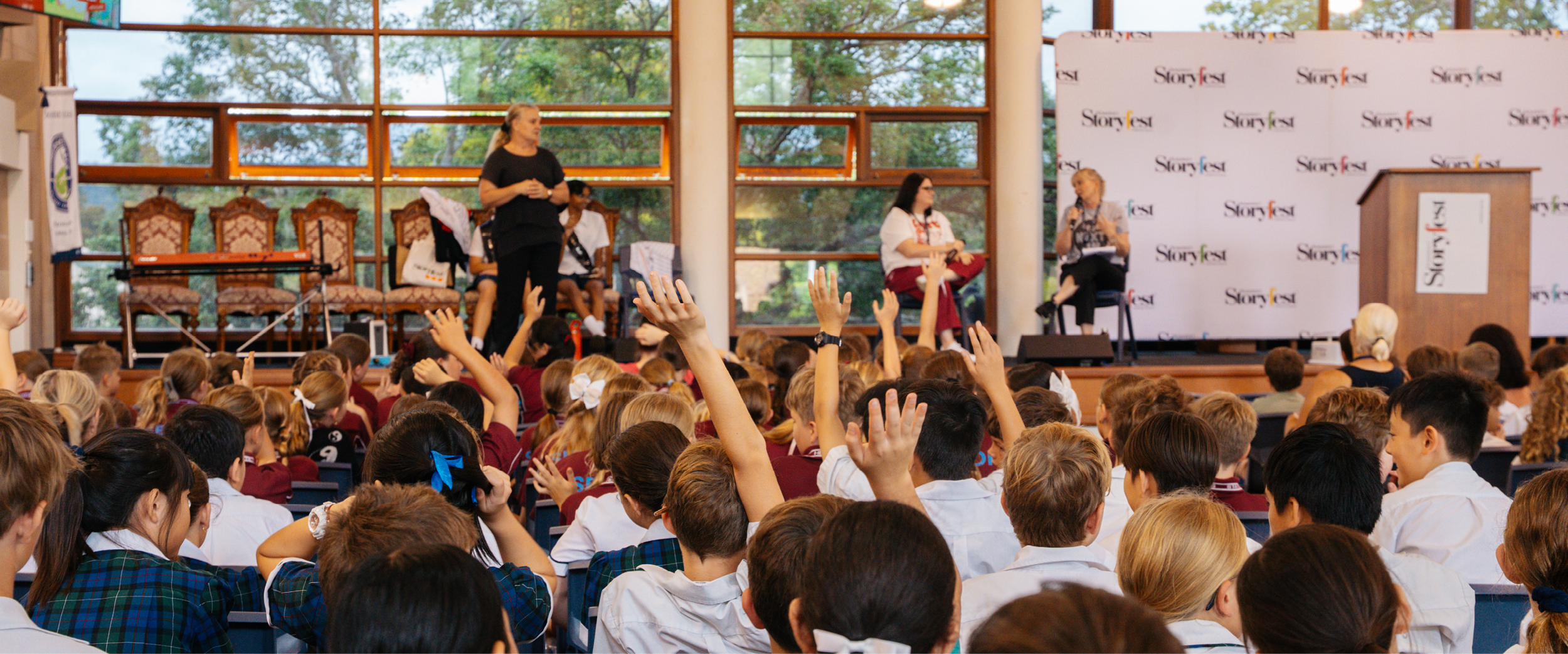
Accessibility is often talked about as support, but at its core it is about intention. It is about designing learning experiences that welcome everyone. At Somerset Storyfest, such approach is woven into the festival’s fabric. Audiences need not worry about accessibility; Storyfest has thoroughly considered it beforehand, so people can focus on enjoying stories, ideas and connection.
Accessibility in practice
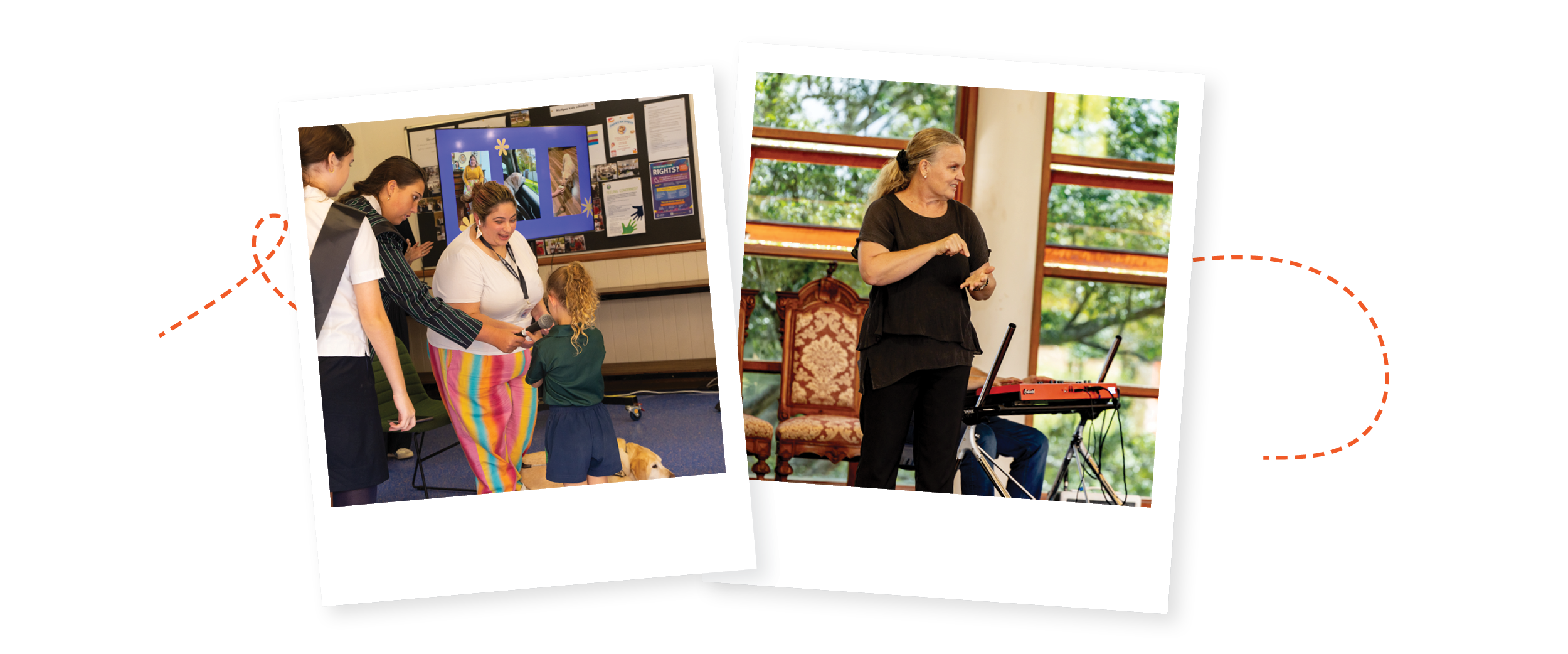
In a learning context, accessibility means recognising that people engage in different ways. Some learners benefit from captions, audio formats or visual supports. Others need flexibility in how they attend or participate. Many simply appreciate having options. When these are embedded from the beginning, they create an environment where inclusion feels natural rather than deliberate.
Storyfest brings this to life through both practical design and thoughtful programming. Festival activities include accessible formats such as recorded sessions, clear presentation styles and opportunities for varied participation. Just as importantly, Storyfest amplifies storytellers whose work reflects diverse lived experiences. Contributors such as Olivia Muscat, Kate Foster, Daniel Gray-Barnett and Dinesh Palipana bring perspectives that broaden how audiences understand identity, creativity and inclusion. Their presence helps shape a space where accessibility is visible, valued and expected.
Why inclusive design benefits everyone
These choices matter. Research shows that inclusive design benefits all learners, not just those with identified needs (CAST, 2018). Features such as captions, flexible pacing and multimodal content can improve understanding and support engagement across a wide audience (Burgstahler, 2021). At Storyfest, this translates into events where participation feels intuitive. Audiences are not navigating barriers; they are engaging with ideas.
A space where accessibility is a given
Feedback from attendees often reflects this sense of ease. Many describe Storyfest as welcoming and thoughtfully designed, with programming that allows them to engage in ways that suit them. Compared with more traditional literary events, which can rely on fixed formats or assume a narrow audience experience, Storyfest offers something more open. Accessibility is not highlighted as a challenge to overcome: it is simply part of how the event works.
Shaping inclusive experiences together
Creating spaces like this is a shared conversation. When people attend events, share their experiences and express what helps them feel included, they contribute to a broader understanding of access. This ongoing exchange helps shape environments where more people feel comfortable taking part, regardless of background or experience.
Building accessibility from the beginning
Accessibility functions best when it is considered from the beginning. When it is embedded in design, it removes the need for individuals to ask for adjustments or feel uncertain about whether they will be supported. This is the kind of environment Storyfest strives to foster. It is one where accessibility is not a concern, but a given.
By building accessibility into the foundations of learning and storytelling, we create spaces where more people can participate, connect and feel that they belong. And in doing so, we strengthen the experience for everyone.
References
Burgstahler, S. (2021) Creating Inclusive Learning Opportunities in Higher Education. Harvard Education Press.
CAST (2018) Universal Design for Learning Guidelines version 2.2. Available at: http://udlguidelines.cast.org