What makes a story stay with us for a lifetime?
By Rhian JONES
For many readers, the answer lies in the classic texts we return to again and again - stories like Alice’s Adventures in Wonderland, The Wind in the Willows, Peter Pan, and Australian favourites like The Magic Pudding and Snugglepot and Cuddlepie. These are the books that seem to linger, not just on shelves but in memory. While they were written in times and contexts now long foregone, they continue to play a meaningful role in children’s literacy development, particularly when shared alongside diverse, contemporary stories.
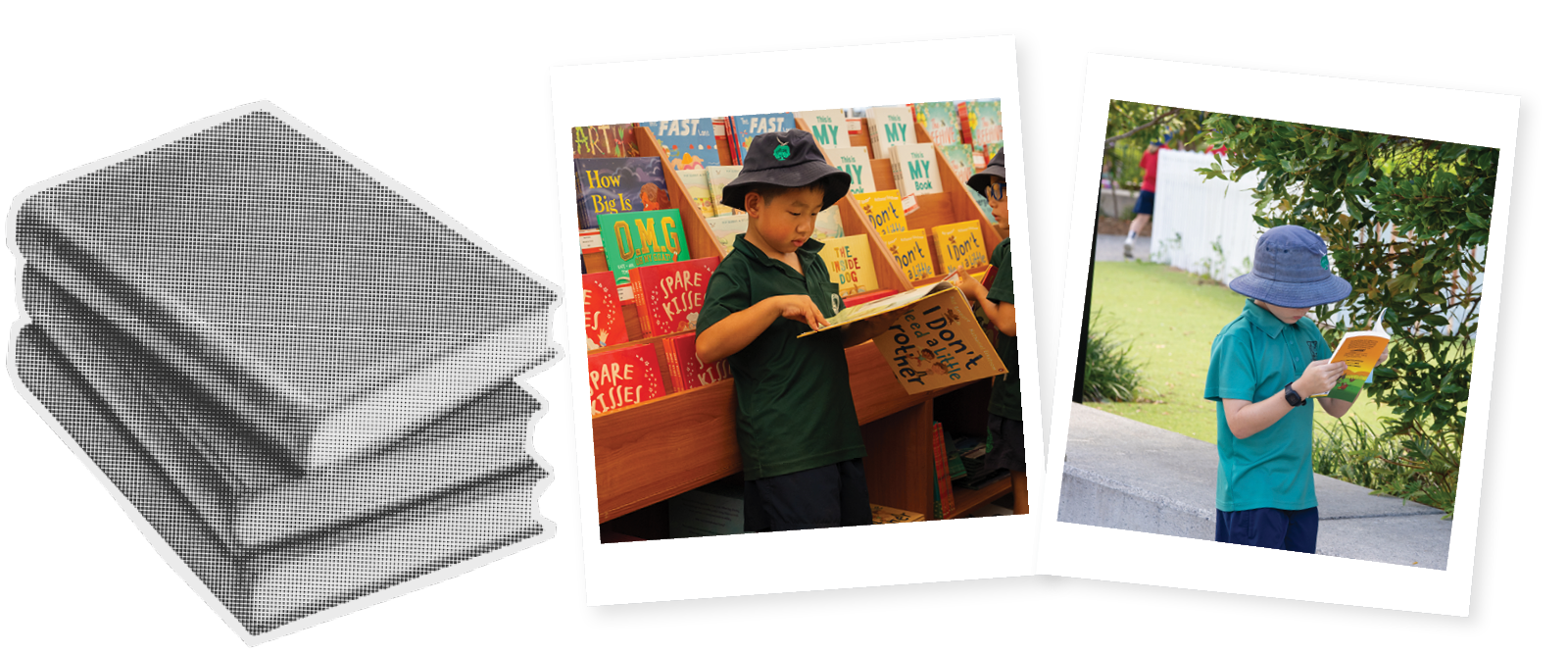
Foundations for reading progression
One of the most powerful features of classic texts is their language. Often more descriptive and expressive than early-level readers, these stories expose children to a broader vocabulary and more complex sentence structures - this matters. Rich language helps children understand new words in context, strengthening both comprehension and overall language development; key foundations for reading success (Beck et al., 2013). When children hear and revisit these words in meaningful ways, they develop confidence in understanding and using language themselves.
Beyond vocabulary, classic stories invite children to think more deeply. Their characters are often memorable and layered, and their plots can be slower and more detailed. This gives children space to wonder, to predict, to ask questions.
Why did that character make that choice? What might happen next?
These moments of reflection support critical thinking and help children make connections within the text and to their own lives. Over time, engaging with longer narratives furthers reading stamina, whereby children stay focused and engaged for longer periods (Cremin et al., 2014).
Stories, fluency and communication skills
Classic texts also subtly teach children how stories work. Through repeated exposure, children begin to recognise familiar patterns: how a story begins, where a problem arises and how it resolves. These patterns become internalised, shaping not only how children read but how they communicate. Storytelling is a deeply social skill. Whether a child is recounting their day, explaining an idea, or inventing a game with friends, they are drawing from an understanding of narrative. Classic stories offer a kind of blueprint, helping children organise their thoughts, build expression and connect more confidently with others.
There’s also something special about returning to a familiar story. Re-reading classic texts allow children to shift their focus from deciphering words to enjoying how the story is told. They begin to notice rhythm, expression and even humour. This repeated exercise supports fluency and builds confidence, particularly for early readers (Rasinski, 2012). It’s often in these moments that children start to join in, anticipating phrases or retelling parts of the story themselves.
When shared with others, these benefits expand. Reading a classic text together, whether at home or in the classroom, creates space for conversation. Adults can pause, wonder aloud and invite children to share their ideas. These interactions help unpack meaning, model thinking and deepen understanding, all of which are central to literacy development (Vygotsky, 1978).
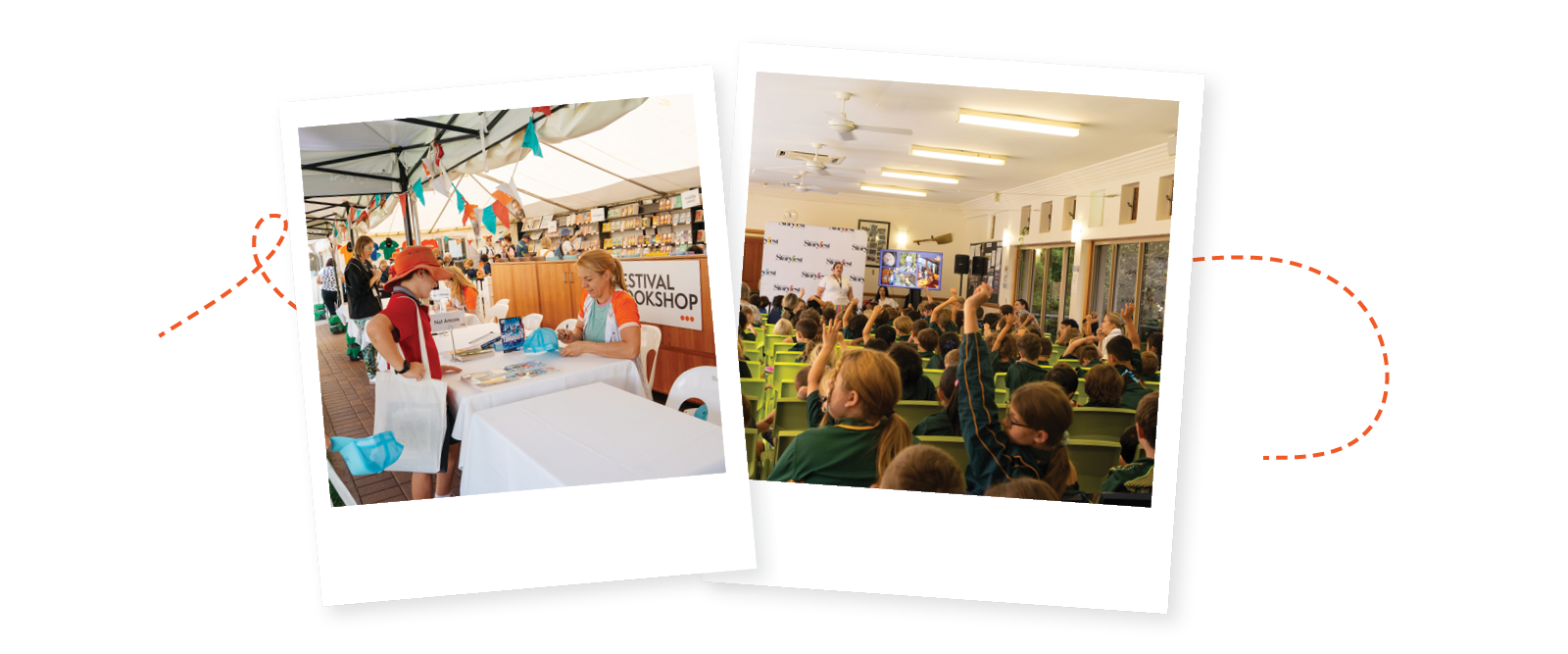
Sparking curiosity and intra-interpersonal understanding
Classic stories also open the door to imagination and socioemotional understanding. Many explore big, universal ideas such as friendship, courage and belonging in ways accessible to children. The Snowy Day by Ezra Jack Keats, for instance, captures the quiet magic of an ordinary day while simultaneously reinforcing a child’s growing sense of autonomy and identity. In a different way, Where the Wild Things Are, by Maurice Sendak, gives shape to affect. Max’s journey, moving through anger and imagination before returning to the comfort of home, offers children a way to understand that feelings can be explored and resolved. These stories do more than entertain; they give children language for their inner worlds.
While some well-known classics reflect the perspectives of their time, there is also a growing collection of enduring stories that offer a wider range of experiences. As children’s literature continues to evolve, more stories, both contemporary and future classics, will deepen this representation, helping children to see both themselves and others in what they read.
Classic texts are not 'better' than modern books, but they offer something distinct. Their language, structure and depth can enrich children’s literacy journeys in ways that complement the energy and inclusivity of contemporary literature. A balanced reading diet, one that honours both enduring stories and new voices, gives children the strongest foundation for literacy, imagination and connection.
References
Beck, I.L., McKeown, M.G. and Kucan, L. (2013) Bringing Words to Life: Robust Vocabulary Instruction. 2nd edn. New York: Guilford Press.
Cremin, T., Mottram, M., Collins, F., Powell, S. and Safford, K. (2014) Building Communities of Engaged Readers. London: Routledge.
Rasinski, T.V. (2012) ‘Why reading fluency should be hot’, The Reading Teacher, 65(8), pp. 516–522.
Vygotsky, L.S. (1978) Mind in Society: The Development of Higher Psychological Processes. Cambridge, MA: Harvard University Press.