By Rhian JONES
Reading is often presented as one of the pillars of a child’s education. From the moment children begin school, they are encouraged to read more, read widely and, increasingly, to read for pleasure. Reading is associated with improved literacy, academic achievement and the skills required to navigate education and employment. Yet at a time when children and young people’s engagement with reading appears to be declining, it is worth questioning what we mean when we ask young people to ‘read’.
Does reading mean sitting down with a 200-page novel? Does reading a magazine, comic, short story, online article or even a detailed guide to a favourite video game provide the same benefits? And if reading is so strongly associated with educational and career success, why are young people who read less not necessarily less successful?
According to the National Literacy Trust’s Children and Young People’s Reading in 2025 report, only 18.7% of children and young people aged 8 to 18 read something every day in their free time. The decline was particularly pronounced among boys, older age groups and pupils receiving free school meals (National Literacy Trust, 2025). Between 2024 and 2025, enjoyment of reading also declined across most age groups, with the most significant decline occurring among boys aged 11 to 16.
Rather than simply asking how we can make young people read more, perhaps we need to consider why they read in the first place. What are they choosing to read, and is our understanding of reading too narrow for the way young people consume information today?
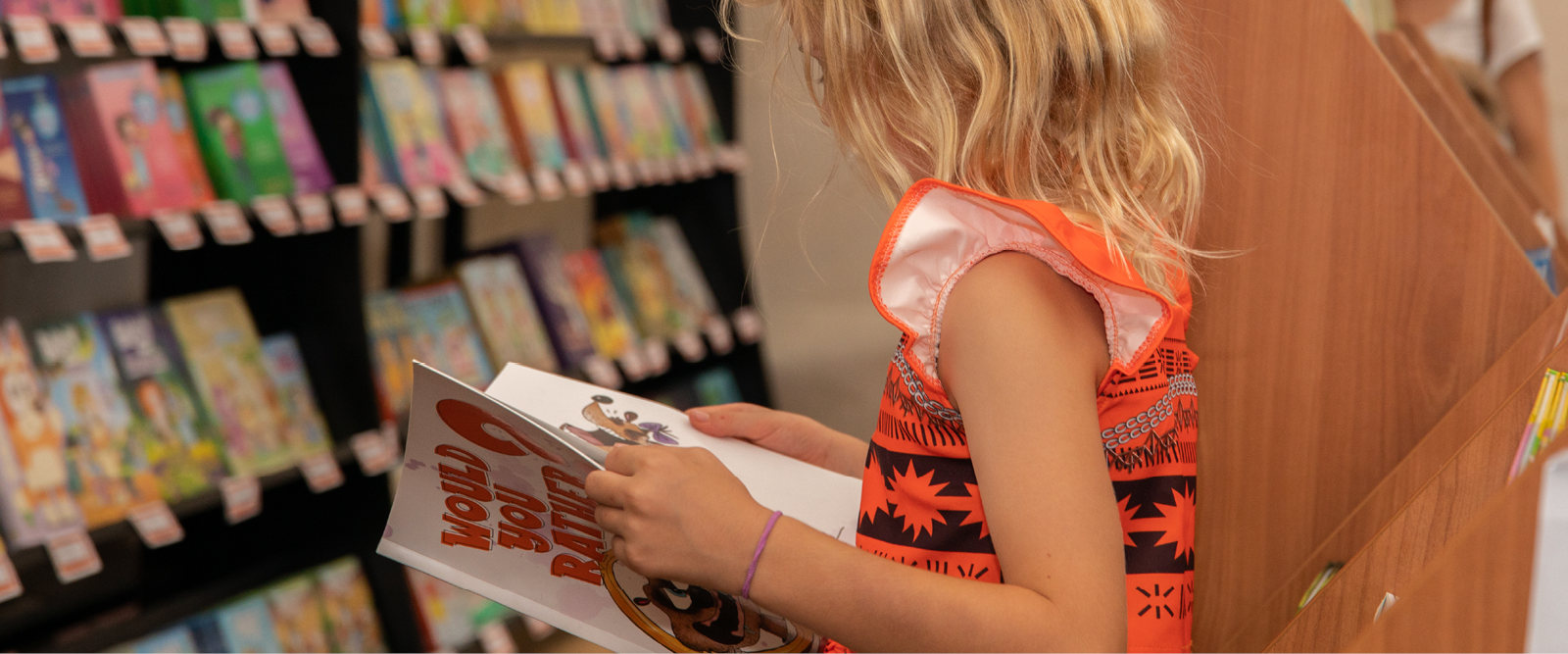
What actually counts as reading?
One of the difficulties in discussing reading is that the term is often treated as though it has one universally accepted meaning. When we think about a child who is 'a reader', we might imagine them sitting quietly with a novel. The longer the book, the more impressive the achievement. Yet written language extends far beyond the traditional book.
Young people encounter written information through magazines, newspapers, comics, websites, social media, recipes, song lyrics, online forums, fan fiction, blogs and video game instructions. These forms of reading are fundamentally different, and it would be misleading to equate reading a short online article to reading a complex novel. However, it is equally problematic to suggest that these diverse forms of engagement do not constitute reading at all.
At its most fundamental level, reading requires an individual to interpret written language and construct meaning from it. The form that this takes can vary considerably.
This is particularly important for children who consider themselves non-readers. If a child has little interest in novels but spends half an hour reading a football magazine, are we really better off telling them this does not count? Or should we recognise their interest as an opportunity to develop their engagement with reading?
There is a tendency to place different forms of reading into a hierarchy, with literary fiction at the top and popular forms positioned below. However, the increasing amount of information available through digital platforms means that young people are required to interpret written information in many different contexts. The ability to navigate these different forms of information is itself an increasingly important literacy skill.

But, not all reading should be treated as equivalent.
Research suggests that what children read does matter. Jerrim, Lopez-Agudo and Marcenaro-Gutierrez (2020) examined longitudinal data from Spain to investigate the relationship between children's reading habits and later cognitive development. Their findings indicated that reading books is more consistently associated with academic achievement than reading newspapers, magazines or comics. This suggests that different forms of reading may provide different cognitive benefits, particularly when considering sustained exposure to complex vocabulary, narrative structures and ideas.
However, these findings should not lead us to dismiss other forms of reading. Instead, they suggest that we should recognise the value of different types of reading while encouraging children to engage with increasingly complex texts.
A comic may not provide the same experience as a novel, but for a child who reads nothing, a comic isa significant first step.
The question, therefore, should perhaps not be whether a particular form of reading is “good enough”, but whether it can encourage a young person to become a more confident and engaged reader.
Why do some children enjoy reading while others do not?
Reading is not simply a skill that develops through instruction. It is also an activity that requires motivation.
Strommen and Mates (2004) in their interviews with older children and teenagers, found significant differences between young people who identified as readers and those who did not. Their research suggested that enthusiastic readers saw reading as something that extended beyond school. Reading was connected with their interests, identities and social environments rather than being viewed simply as an academic requirement.
This distinction is important because telling a child that reading is good for them does not necessarily make them want to read.
A young person may understand that reading will improve their vocabulary, concentration or academic performance while still finding the act of reading boring, difficult or irrelevant. In this sense, the issue may not simply be whether children understand the benefits of reading, but whether they can find something within reading that is meaningful to them.
Research conducted by the National Literacy Trust in 2025 demonstrates just how varied these motivations can be. The report identifies “curious readers”, who read to develop knowledge and skills; “mindful readers”, who read for relaxation, creativity and escapism; and “social readers”, who read to connect with other people, causes and the wider world This challenges the assumption that reading is primarily an academic activity.
Young people read because they want to learn,. escape and understand other perspectives. They read because they are curious. about themselves, others and the world. Reading is more than an educational tool; it is a way for young people to interact with the world around them.
Perhaps the problem is not that young people do not like reading, but that they do not like being told what to read, or what counts as reading.
This is particularly relevant when considering boys, whose engagement with reading has declined considerably in recent years.
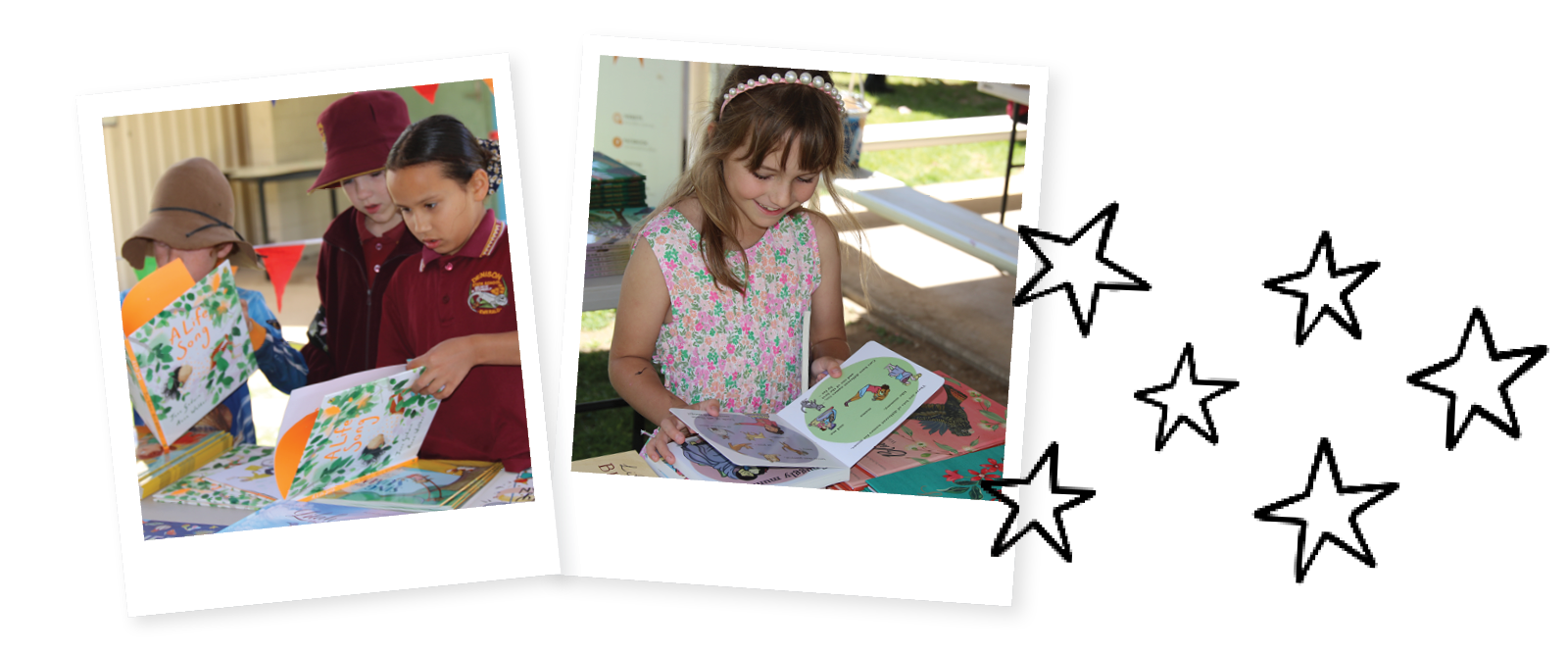
The National Literacy Trust found that in 2025, the decline in daily reading was most pronounced among boys, while girls’ enjoyment of reading remained relatively stable or improved slightly in some age groups
This gender difference has been recognised before. PISA data has consistently shown that girls report greater enjoyment of reading than boys. In 2018, for example, 44% of girls across OECD countries described reading as one of their favourite hobbies, compared to just 24% of boys (OECD, 2019).
However, these findings are not necessarily evidence that boys are less interested in books. They may instead indicate that the reading culture offered to young people does not sufficiently appeal to the interests of young boys.
If a young person is interested in football, cars, gaming, sport, science, history or technology, there are opportunities to introduce reading through these interests. A football magazine, biography, gaming guide or book about space may not resemble the ‘Charlotte’s Web’s and ‘Great Gatsby’s traditionally promoted by schools, but it is nevertheless an opportunity to engage with written language.
If the objective is to produce a child who reads a particular type of book, then insisting upon that form may be successful for some children. However, if the aim is to create lifelong readers, then allowing children some autonomy over what they read may be more effective.
Choice can therefore be viewed not as a reduction in standards, but as a means of developing engagement.
Does enjoying reading make children more successful?
There is considerable evidence linking reading enjoyment with positive educational outcomes, although the relationship is more complicated than the claim “reading makes you successful” might suggest.
OECD (2019) found a strong relationship between reading enjoyment and reading performance, with students who enjoyed reading generally demonstrating stronger reading proficiency. Importantly, the relationship between reading enjoyment and reading frequency appears to work in both directions. Children who enjoy reading tend to read more, and those who read more have greater opportunities to develop their reading skills.
This creates something of a cycle: enjoyment encourages reading; reading develops ability; increased ability promotes further enjoyment.
The opposite can also occur.
A child who struggles to read may find the activity frustrating. Because reading is difficult, they avoid it. Because they avoid it, they have fewer opportunities to practise. Their confidence may then decline further, reinforcing the perception that they are simply 'not a reader'.
Reading enjoyment is therefore crucial: it can influence whether a child continues reading beyond the classroom.
There is also evidence that reading for pleasure is associated with wider educational development. Sullivan and Brown (2015), using longitudinal data from the 1970 British Cohort Study, found that reading for pleasure was associated with progress in vocabulary and mathematics during childhood and adolescence.
However, reading is not a guaranteed pathway to career success. There are countless factors that influence educational attainment and employment outcomes, including socioeconomic background, family circumstances, educational opportunities, qualifications, occupation, motivation and individual ability.
The same caution applies when considering the relationship between reading and future employment. Taylor (2011) found an association between reading books at age 16 and later entry into professional and managerial employment. However, this correlation is not necessarily proof that reading books at 16 directly causes a student to enter a professional career later in life.
There may be other characteristics shared by young people who read regularly which contribute to later success.
This distinction between correlation and causation is important because it prevents us from turning reading into a simplistic formula where reading books guarantees later success.
The reality is considerably more complicated.
Reading matters, but for reasons that extend beyond professional success.
If reading does not guarantee academic or career success, why do we place so much emphasis on it?
The answer can be found in the skills that reading develops rather than the activity itself.
Reading exposes children to vocabulary, ideas, perspectives and information. It requires them to construct meaning, make connections, sustain attention and understand language within different contexts. These skills can then be transferred into other areas of education and everyday life.
A child who can read confidently is better positioned to access information across the curriculum. They can understand an examination question, follow instructions, interpret a news article, read a job application or understand a contract.
Rather, literacy gives young people greater access to the world around them.
This distinction becomes particularly important in an increasingly digital society. Young people are exposed to enormous quantities of information, but the ability to access information does not necessarily mean the ability to understand or evaluate it. Reading requires young people to engage critically with what is presented to them.
Consequently, perhaps the focus should not simply be on encouraging young people to read more books, but to develop their capacities to read widely, critically and confidently.
So, does it matter what young people read?
The answer is both yes and no.
Yes, because different texts offer different levels of complexity and expose young people to different vocabulary, ideas and ways of thinking. Research such as Jerrim et al. (2020) suggests that books may have unique benefits for academic development.
But no, because dismissing a child's preferred reading material may discourage the very behaviour we are trying to promote.
A young person reading a comic is still interpreting narrative.
A young person reading a sports article is still acquiring information through text.
A young person reading fan fiction is still engaging with language and storytelling.
These activities are necessarily be treated as the final destination., but they can form part of a broader reading journey.
The goal should be to encourage young people to move between different forms of reading and, over time, become comfortable with increasingly complex texts.
This is particularly important for reluctant readers. If the first step towards reading more seriously is a magazine about football, then perhaps that magazine should not be viewed as a failure. It could be the beginning of a love of reading.
Perhaps we need to change the way we talk about reading.
The decline in reading among young people is concerning, but instructing children to read more may not address the reasons why they are reading less.
If young people are increasingly surrounded by digital entertainment, social media and competing forms of information, reading has to offer them something in return.
That might be knowledge.
It might be entertainment.
It might be escapism.
It might be connection.
It might be an opportunity to explore an identity or interest.
The National Literacy Trust’s 2025 research demonstrates that young people already recognise many of these benefits. Half of those surveyed said they read to learn new words or new things, while others identified improvements in focus, critical thinking, understanding different perspectives and learning about other cultures. Reading was also associated with relaxation, inspiration, happiness and escape.
Perhaps we should stop presenting reading as something young people need to do and start thinking more about what reading can do for them.
This is particularly relevant for boys and other groups who are increasingly disengaging from reading. If we continue to present reading as a niche activity centred upon particular books, genres and school requirements, we risk reinforcing the idea that reading belongs to a particular type of person.
Instead, reading needs to be presented as something that belongs to everyone.
The child who loves fantasy novels.
The teenager who reads football statistics.
The young person who prefers comics.
The student who reads biographies.
The child who spends hours learning about dinosaurs.
They are all demonstrating curiosity through text.
The challenge is not to convince them that their interests are wrong, but to use those interests as a starting point for developing a broader and deeper engagement with reading.
Ultimately, the question of whether it matters what young people read is perhaps less important than whether they are developing a relationship with reading that can continue to grow.
A magazine may introduce a child to a new subject. A comic may introduce them to storytelling. A short story may lead them to a novel. A novel may introduce them to a completely unfamiliar perspective. A non-fiction book may inspire a career.
Reading is therefore not a single activity with a single outcome. It is a means through which young people acquire knowledge, develop literacy and encounter ideas beyond their immediate experiences.
So, does it matter what young people read, as long as they are reading?
Yes, but perhaps we should be more concerned with where reading can take them than with where they begin.
Rather than asking whether a child is reading the “right” thing, perhaps the more important question is whether we are giving them enough opportunities to find something worth reading in the first place.
References
Jerrim, J., Lopez-Agudo, L.A. and Marcenaro-Gutierrez, O.D. (2020) ‘Does it matter what children read? New evidence using longitudinal census data from Spain’, Oxford Review of Education, 46(5), pp. 515–533. doi:10.1080/03054985.2020.1723516.
National Literacy Trust (2025) Children and young people’s reading in 2025. London: National Literacy Trust.
OECD (2019) PISA 2018 Results (Volume II): Where All Students Can Succeed. Paris: OECD Publishing.
Strommen, L.T. and Mates, B.F. (2004) ‘Learning to love reading: Interviews with older children and teens’, Journal of Adolescent & Adult Literacy, 48(3), pp. 188–200. doi:10.1598/JAAL.48.3.1.
Sullivan, A. and Brown, M. (2015) ‘Reading for pleasure and progress in vocabulary and mathematics’, British Educational Research Journal, 41(6), pp. 971–991. doi:10.1002/berj.3180.
Taylor, M. (2011) ‘Reading at 16 linked to better job prospects’, Books for Keeps, July.

