How reading, writing and author encounters support children learning English
By Rhian JONES
Our classrooms are becoming increasingly multilingual. ACARA (2023) reported more than 600,000 students in Australian schools are learning English as an additional language or dialect (EAL/D), reflecting the linguistic diversity of our communities. For these learners, English literacy involves far more than vocabulary lists and grammar rules. It is a process of building confidence, understanding cultural cues and discovering how language connects people.
Reading, writing and storytelling all contribute to this journey. Education-rich events, like Somerset Storyfest, provide opportunities for children to experience language in ways that are social, creative and meaningful. When learners hear storytellers speak, participate in discussions and consider stories read aloud to them, English shifts from a 'study task' to something of exploration and enjoyment.
Learning language through lived experience
A key principle in Teaching English as a Foreign Language (TEFL) is that language develops most effectively when it is used in meaningful contexts. Rather than focusing solely on memorisation, TEFL encourages learners to listen, speak, read and write in authentic situations.
Marcus Saguiguit, who moved to Australia from the Philippines as a child and initially spoke little English, explains how everyday interactions revealed dialectic elements rarely captured in theoretical texts.
“There is often meaning in the tone used, not so much the words. Australians often say things that sound negative but actually mean the opposite… ‘Not bad’ can mean pretty good, and ‘You’re a shocker’ can be affectionate teasing” (Saguiguit, 2026).
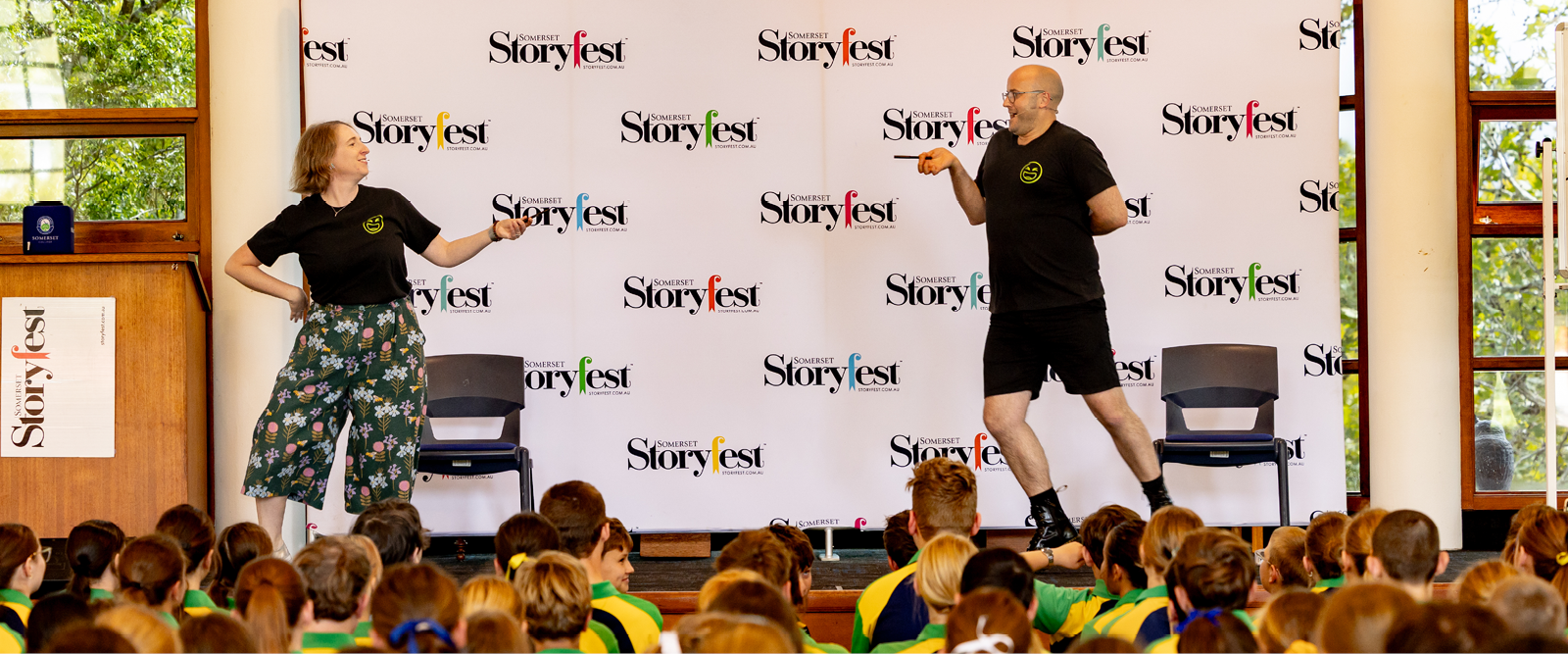
These subtleties - intonation, idioms, nonverbal cues – underpin interpersonal communication yet are difficult to learn from textbooks alone. Storytelling events mirror this type of immersive language experience. When children hear stories performed or discussed by storytellers at Storyfest, they encounter the rhythm, emotion, nuance and diversity that shape everyday communication.
How reading builds English literacy
Reading is one of the most powerful tools for developing English literacy. Through stories, children encounter vocabulary, sentence structures and narrative patterns in context. This repeated exposure gradually builds familiarity with the rhythms, structures and nuances of a language.
However, opportunities to engage with reading differ across households. National data shows that 81% of children in English‑speaking households are read to regularly, compared with approximately 62% of children in households where English is not the primary language (AIHW, 2023). Taken together, libraries, schools and literary events are critical to ensuring equitable reading access and opportunities for children of all backgrounds.
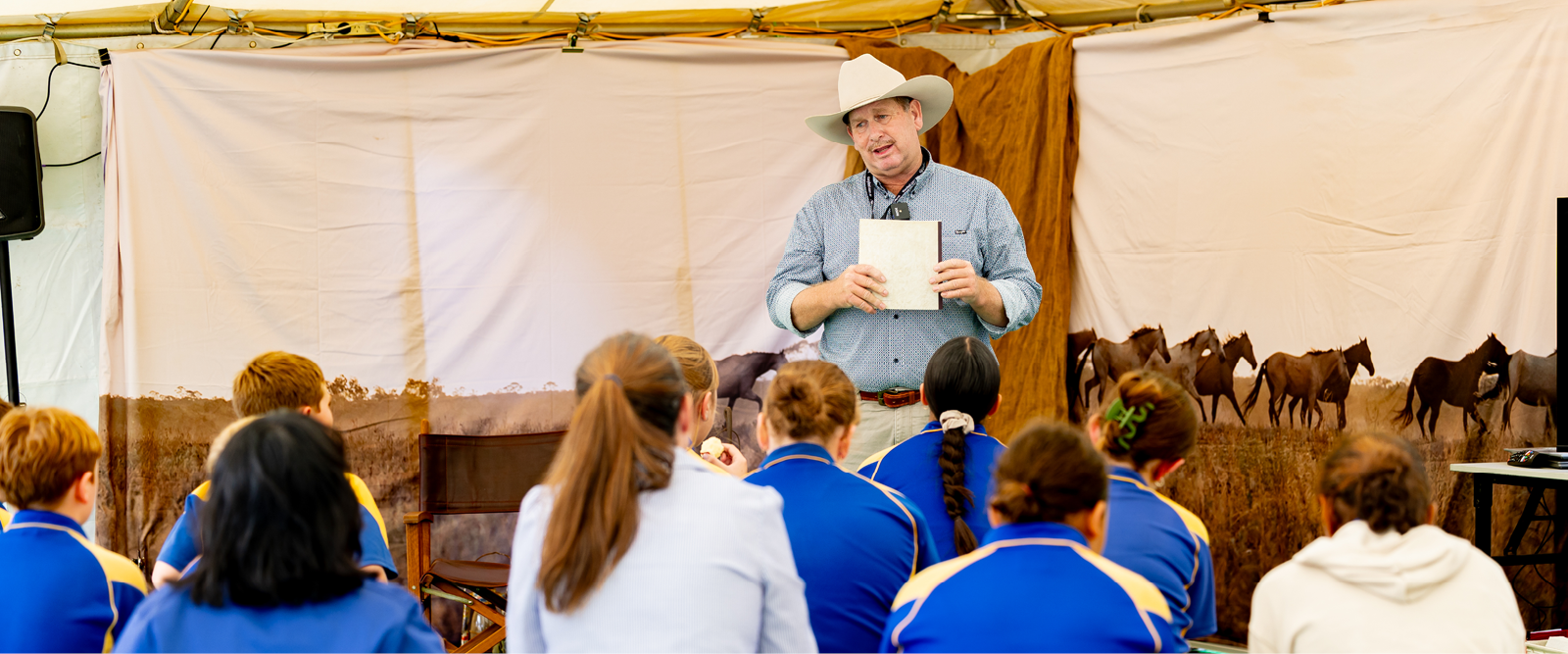
Writers’ festivals support this by bringing storytelling to life in relatable and accessible ways. Listening to authors read aloud at Storyfest helps children learn pronunciation, expression and literary techniques that further comprehension, listening and broader interpersonal skills.
Writing as a way to develop confidence
While reading introduces new language patterns, writing allows children to practise and personalise them. In TEFL approaches, writing is often treated as a creative and exploratory process where learners can experiment with language and articulate their own ideas.
For children learning English, writing stories, reflections or poems provides a safe space to explore new vocabulary and develop confidence. Over time, these creative activities help transform English from something to memorise into something they can actively use.
Meeting storytellers at events like Storyfest can also inspire young learners to see themselves as writers. Observing one’s creative process - how ideas develop into stories, can make the act of writing feel achievable and exciting.
When language becomes a tool for belonging
Confidence in a new language often grows through interpersonal interactions. Social environments provide opportunities to practise language naturally while building social bonds.
Yongju Cho, who grew up in South Korea and later lived in New Zealand, recalls how social settings helped her become more comfortable communicating in English.
“These environments provided me with opportunities to learn and use practical expressions that are commonly used in everyday life… interacting with others helped me build greater confidence in communication” (Cho, 2026).
Over time, her relationship with the language changed.
“When I was able to build new relationships in English and maintain ongoing communication… English no longer felt like a subject to study, but rather a meaningful tool that connected me to a community” (Cho, 2026).
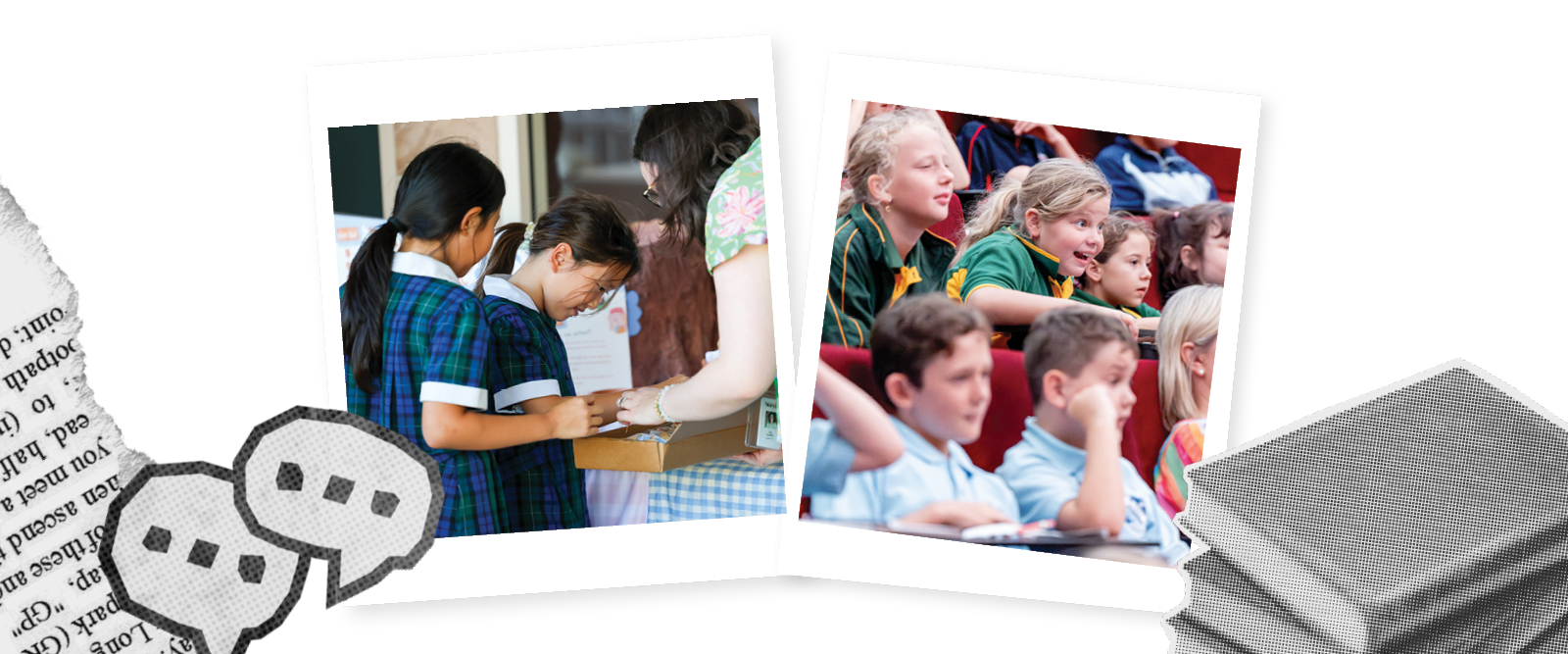
Inclusive spaces like Storyfest support similar moments for children. Storytelling sessions, author talks and interactive workshops create environments where listening, speaking and curiosity coalesce.
Inclusive literary spaces matter
Australia’s classrooms reflect remarkable cultural diversity. Educators report more than 240 languages spoken in Australian homes, highlighting the importance of inclusive literacy initiatives that celebrate different voices and experiences (ACARA, 2023).
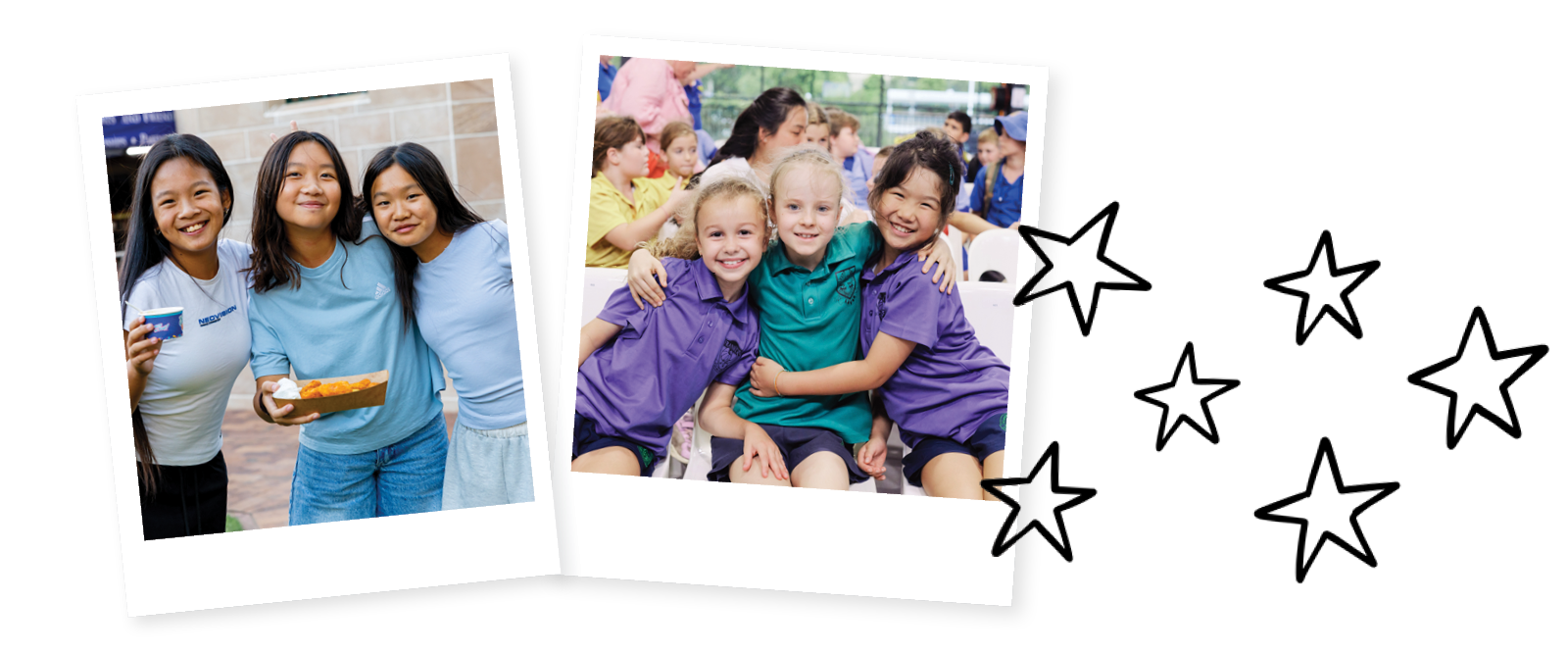
Literary festivals create spaces where children feel invited into a world of stories and imagination. By showcasing diverse storytellers and encouraging participation, events like Storyfest reinforce the message that storytelling belongs to everyone.
For children learning English as an additional language, this sense of inclusion can be particularly powerful. Seeing diverse stories, cultures and perspectives represented helps learners recognise that their voices and experiences are equally important.
Stories that support language, creativity and connection
For young learners, literacy development is not simply about mastering English grammar. It is about building confidence, discovering stories and forming connections through language.
Reading introduces vocabulary and structure. Writing encourages creativity and expression. Listening to stories brings language to life.
When these experiences intersect with opportunities to meet authors and engage with storytelling communities at Storyfest, children encounter the English language in ways that are immersive, inspiring and empowering.
Through stories, language becomes more than a learning task: it becomes a bridge to imagination, belonging and shared understanding.
References
ACARA (2023) National Report on Schooling in Australia: Students learning English as an additional language or dialect. Australian Curriculum, Assessment and Reporting Authority.
AIHW (2023) Australia’s Children: Early learning and literacy indicators. Australian Institute of Health and Welfare.
Cho, Y. (2026) Personal interview.
Saguiguit, M. (2026) Personal interview.