Beyond the storytelling
By Rhian JONES
When we think about literary festivals, it is easy to focus on the visible moments, the packed author sessions, the excitement of discovering a new book, the conversations that linger long after the event has ended.
But there is another story unfolding quietly in the background.
Literary festivals are not only cultural experiences: they are economic ecosystems.

Behind every storyteller talk, school workshop or community event is a network of people, organisations, services and investments working together to make it possible. And while festivals undoubtedly enrich communities culturally, their economic contribution is often just as important.
At a time when conversations around funding, community investment and regional growth dominate, understanding the economics of a literary festival becomes equally relevant.
So, what does that actually look like?
A festival is more than an event: It is an ecosystem
A literary festival may last a few days, but the economic activity behind it often begins months earlier.
There are venues to secure, storytellers to coordinate, travel to arrange, marketing to develop, technology to organise and staff to employ. Graphic designers, event coordinators, sound technicians, photographers, booksellers, caterers, educators and hospitality workers all play a role in bringing a festival to life.

In economic terms, festivals create direct spending - money invested into goods, services, wages and operations.
Funding is often drawn from a mix of ticket sales, sponsorships, philanthropy, partnerships, government grants and community support. Yet much of that funding expands beyond the festival itself. It redistributes outward into local businesses and service providers.
This is one of the reasons arts funding is often viewed as investment rather than expenditure. The economic return frequently extends well beyond the event.
In many ways, a literary festival functions as a temporary local economy.
Where festival funding actually goes
A common misconception is that festivals simply pay speakers and hire a venue. The reality is far more layered.
Funding often supports:
- Artists, authors and presenters: including travel, accommodation, speaking fees and event preparation
- Employment and staffing: project managers, event teams, educators, administrators, technical crews, marketing specialists and contractors
- Venue and production costs: staging, lighting, sound, accessibility measures, insurance, licensing and equipment
- Education and community engagement: school visits, literacy programmes, youth initiatives and community access events
- Promotion and audience development: ensuring communities know about and can engage with the programme
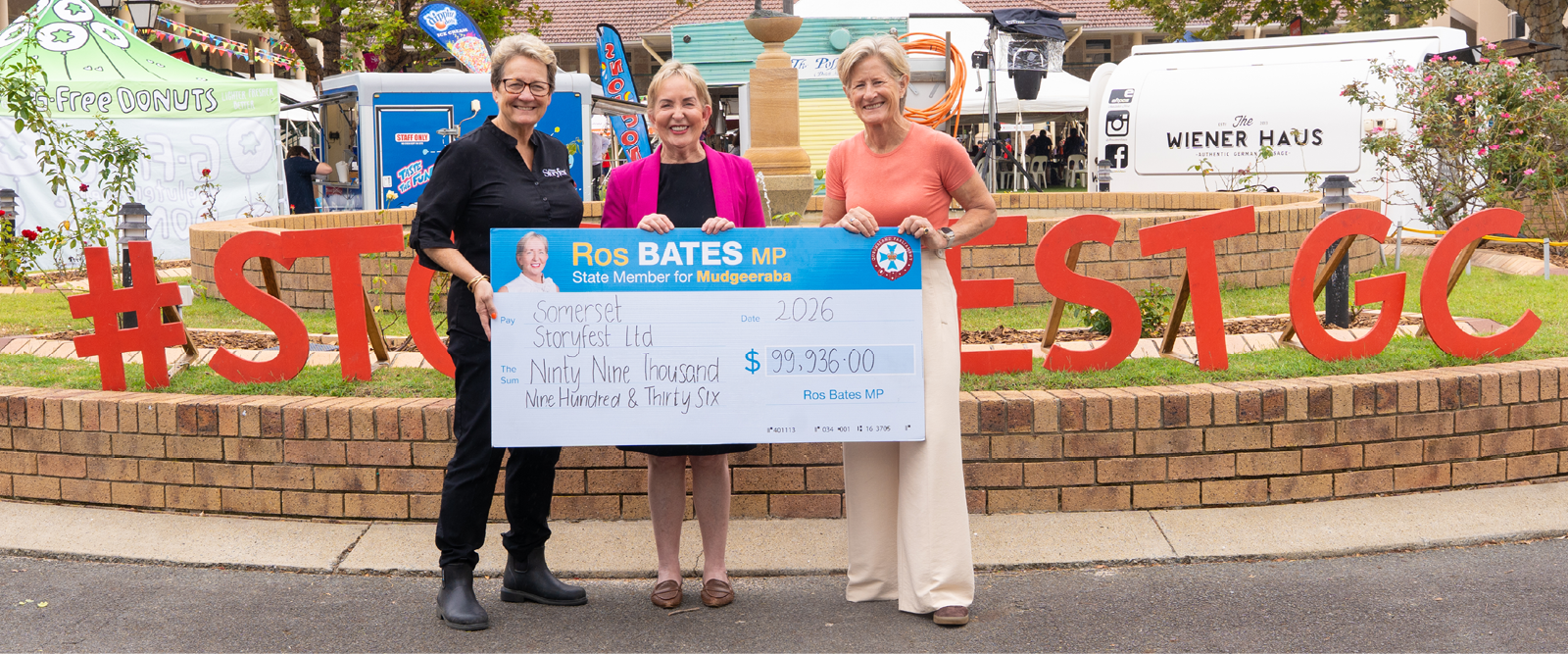
Importantly, festivals also create forms of economic activity that are harder to immediately see.
A local printer may receive a contract for programmes. Accommodation providers host visiting authors. Local transport services benefit from increased movement. Food vendors, cafés and restaurants often experience increased demand during festival periods.
In economics, these are known as indirect and induced effects - the additional economic activity created when spending flows through surrounding industries.
Simply put, one festival payment becomes many local transactions.
Why ticket sales matter more than we think
Ticket sales matter for obvious reasons: they generate revenue. But economically, their significance runs much deeper.
Each ticket purchased contributes not only to an individual event, but to the sustainability of the festival as a whole. Ticket income helps reduce financial risk, strengthens future programming and demonstrates public demand.
In practical terms, ticket sales help festivals:
- Attract respected and audience-relevant storytellers
- Deliver school and community programming
- Maintain affordable pricing
- Secure future sponsorship and grant support
- Ensure year-on-year operations
There is also an important economic signal attached to attendance.
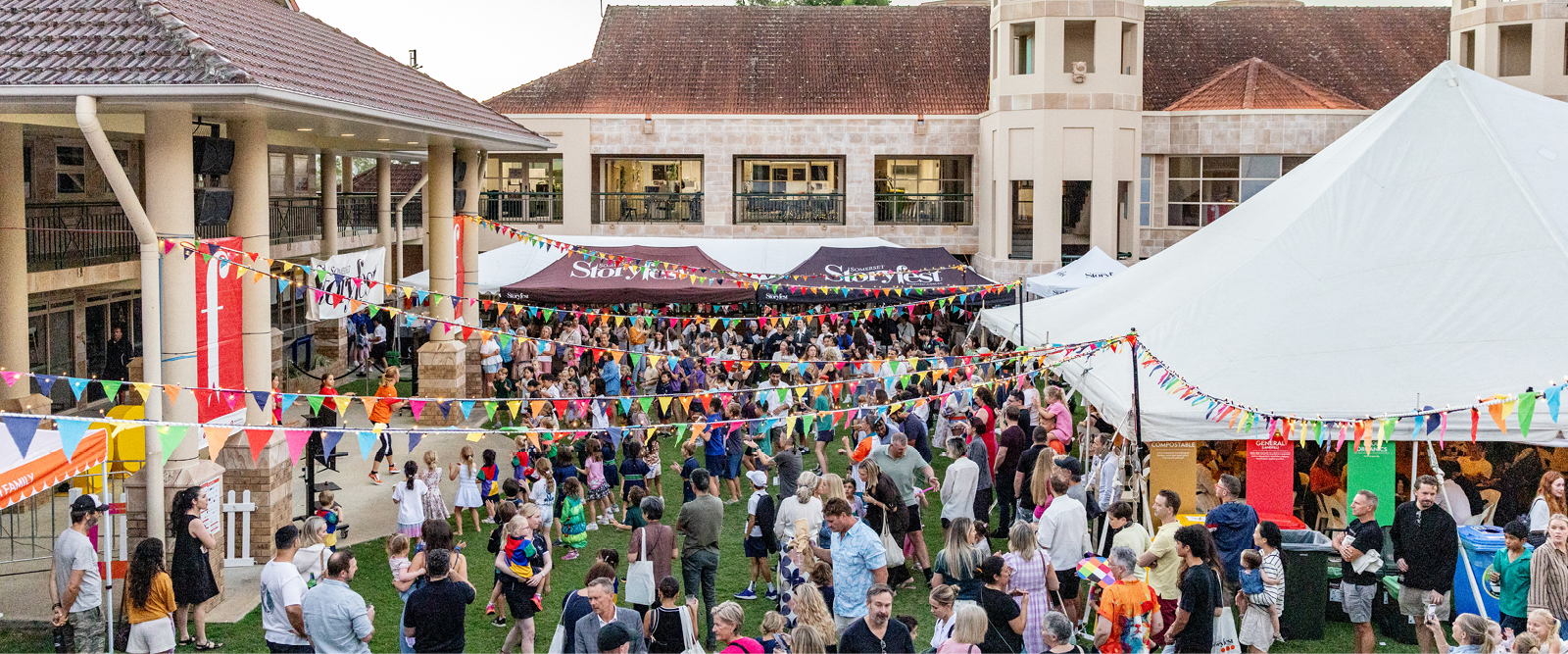
Strong audience engagement demonstrates value. Sponsors, government agencies and partners are often more willing to invest when there is clear evidence that communities are participating - and benefitting.
In this way, ticket sales become more than transactions - they become indicators of confidence and demand.
Research into Australia’s creative industries consistently shows that cultural participation contributes to sector sustainability and wider economic resilience (Australian Academy of the Humanities, 2020).
The ripple effect: Cafés, hotels, shops and tourism
Perhaps one of the most powerful and least discussed aspects of literary festivals is what economists call the multiplier effect.
The concept is simple: money spent once rarely stops there.
Imagine someone travelling to attend Storyfest. They purchase a ticket, but they also buy coffee nearby, have lunch between sessions, browse local shops, stay in accommodation and perhaps extend their visit to explore the area.

That one visitor suddenly supports multiple businesses.
Now imagine hundreds or thousands of attendees, as is often the case at Storyfest, doing the same.
The collective impact becomes significant.
For cafés and restaurants, festivals can mean increased foot traffic and higher sales. Hotels and short-term accommodation providers often experience stronger occupancy. Retailers benefit from increased visitor movement, particularly independent bookshops and local businesses. Tourism operators may also see gains as visitors turn a day trip into a weekend away.
Importantly, literary festivals can also strengthen destination identity.
A place becomes known not only for its geography, but for what it offers culturally. Visitors may return outside festival periods, recommend the region to others, or continue engaging with local businesses long after the event has ended.
This is particularly valuable in regional communities, where cultural events can help stimulate visitor economies and diversify local income streams (OECD, 2022).
Why writers’ festivals matter economically, not just culturally
Too often, arts and literary events are framed as optional and meaningful but secondary to “more important” investments. Yet the reality is more interconnected.
Healthy economies rely on thriving communities.
Literary festivals create employment. They support local enterprise. They drive visitor spending. They strengthen tourism. They encourage literacy and lifelong learning. They help people feel connected to place and to one another.
These things are not separate from economic wellbeing; they are part of it.
And while the cultural impact of a literary festival may be difficult to quantify, the economic value is increasingly visible.
Because behind every festival conversation, signed book or school workshop is something larger at play: investment flowing through a community.
Perhaps that is what makes literary festivals so essential. They remind us that stories matter, not only because they inspire us, but because they help communities thrive.