How books, poetry and novels help us understand who we are
By Rhian JONES
‘Have you ever read a sentence that explained something you’d felt for years?’
Not in a dramatic, life-altering flash, but in a quiet, subtle way. On an ordinary afternoon; in the middle of a book you weren’t expecting much from; a line appears on the page and suddenly something you have carried for years is named for the first time.
That moment of recognition is one of the most powerful experiences in reading literature.
We often think of books as a way of escaping into other worlds, other lives, other perspectives. But reading is also an act of return. It brings us back to ourselves in ways we don’t always expect. Literature has a way of revealing emotions we have lived with long before we had language for them.
Grief that reshapes rather than disappears. The strangeness of becoming someone new while still mourning who you were. The loneliness that can sit inside ambition. The complexity of love. The disorientation of change.
These are not always easy experiences to name in daily life. But books, poetry and storytelling allow us to see them more clearly.
Then, unexpectedly, language arrives.
A paragraph. A stanza. A sentence.
And something once unspoken becomes recognisable.
Poetry and emotional recognition in literature
Poetry often works as a form of emotional recognition rather than explanation. Instead of defining experience, it distils it into images and metaphors that feel instantly familiar.
Carol Ann Duffy’s Valentine is a powerful example often discussed in contemporary poetry (Duffy, 1993). Instead of relying on traditional symbols of romantic poetry such as roses or idealised love, the poem presents an onion.
At first, this feels unexpected - almost unromantic. But as the poem unfolds, the metaphor becomes clearer. Love is layered. It can be sharp. It can bring tears. It is something revealed slowly, rather than understood at once.
What makes Valentine so enduring in modern poetry is its refusal to simplify love. It presents love as something real, complex and sometimes uncomfortable; tenderness and pain existing at the same time. For many readers, this reflects lived experience far more accurately than idealised versions of romance often found in popular culture.
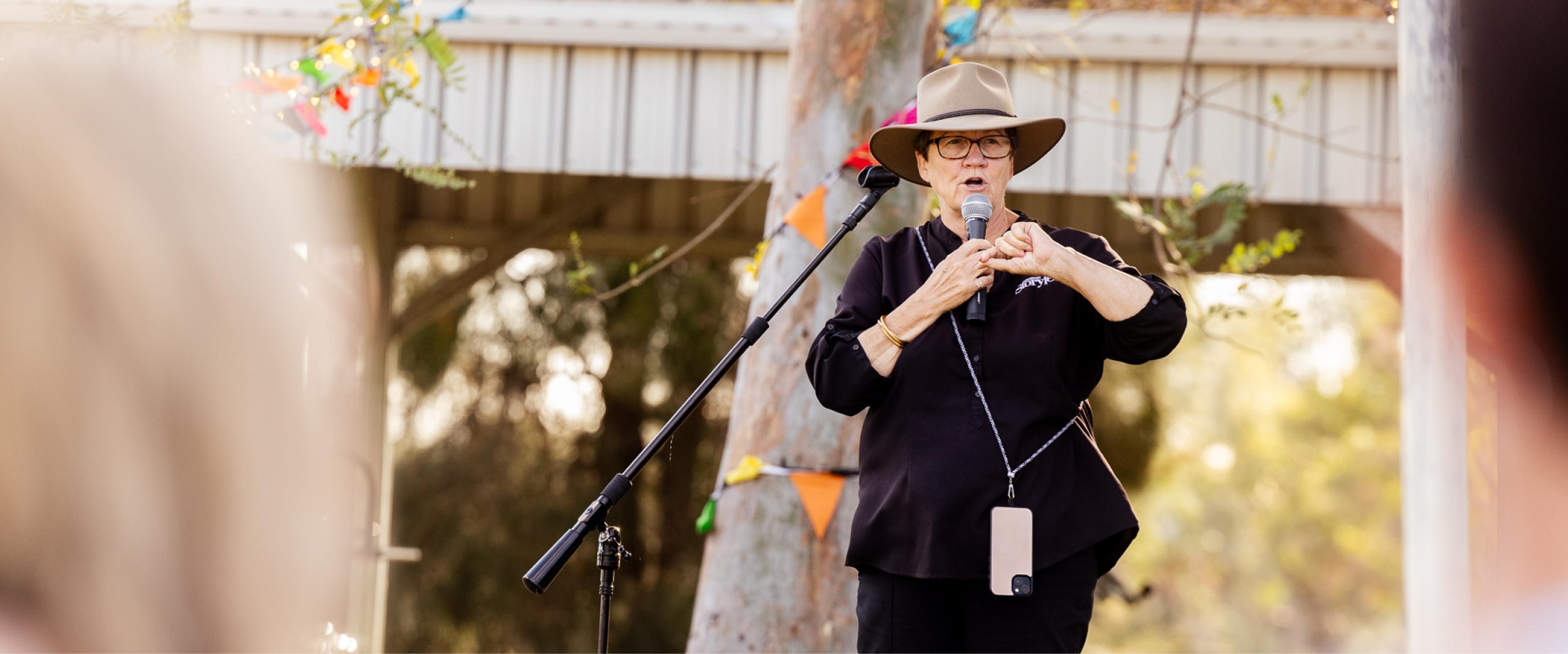
This is one of the reasons poetry remains so widely studied in schools, universities and literary festivals like Storyfest: it captures emotional truth in a way that feels immediate and personal.
Novels, short stories and immersion in lived experience
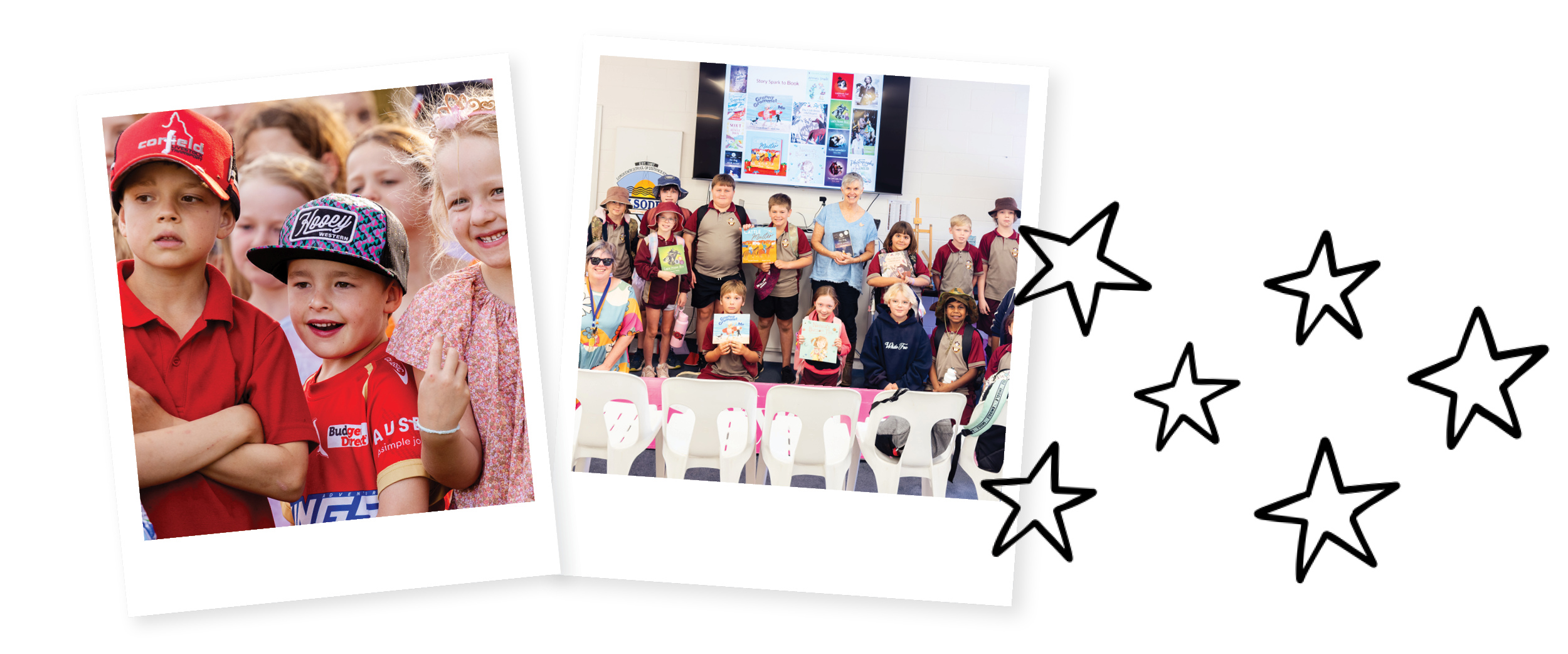
While poetry distils emotion, novels and short stories immerse us in it. They allow readers to spend time inside another person’s world until it begins to feel familiar.
Raymond Carver’s short story Cathedral is a strong example of this form of literary fiction (Carver, 1983). The story begins with a narrator who is uncomfortable about meeting a blind man for the first time. His assumptions shape his understanding of the situation, and his discomfort is immediate.
At first, the story appears to be about difference and misunderstanding. But as it develops, it becomes something deeper. Through small, ordinary moments, Carver explores perception, communication and human connection.
By the end of the story, what the reader takes away is not simply a narrative about blindness, but a broader reflection on how we see other people - and how narrow that ‘seeing’ can be.
This is one of the strengths of novels and short fiction: they allow readers to inhabit perspectives they may never experience in real life, while also recognising something deeply familiar within them.
It is easy to think of reading as something private and reflective, something we do alone. But in reality, much of the world we understand today is built on reading and written language.
Our understanding of history, for example, comes almost entirely from texts. What we know about the Industrial Revolution is drawn from written records describing industrialisation, urban growth, technological change and shifting working conditions. Without reading, these historical realities would not be accessible to us in the same way.
The same is true of social and political change. In Australia, movements for women’s rights, say early suffrage campaigns and later feminist movements, are preserved through writing: speeches, essays, journalism and historical documentation. Figures such as Vida Goldstein, a key Australian suffragist and political activist, remain part of public understanding because her work was recorded and passed on through text (Lake, 1999).
In this way, reading is not only personal - it is collective. It shapes how we understand history, identity and progress.
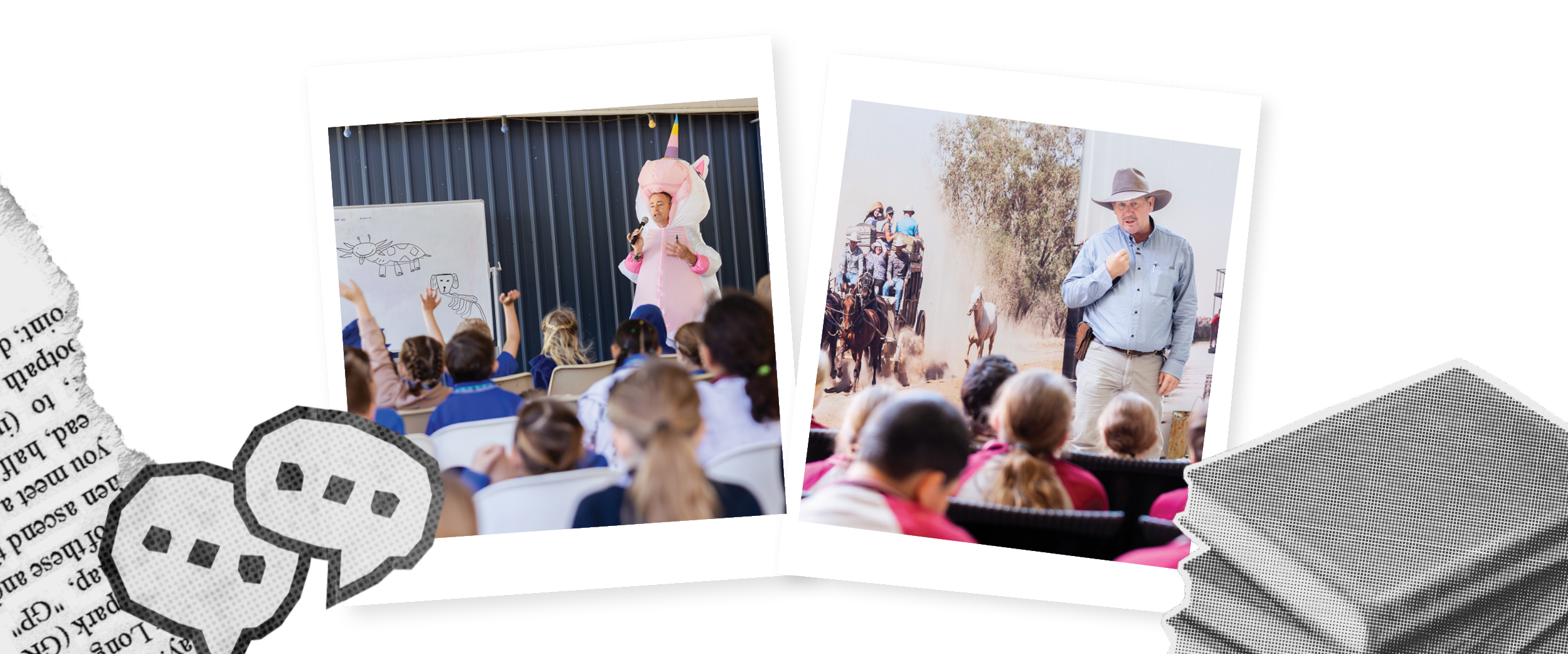
Even fiction contributes to this shared understanding by allowing readers to emotionally engage with different time periods, social conditions and human experiences. Books help translate history into something we can feel, not just learn.
Why reading stays with us
Some books stay with us not because we remember every detail, but because they met us at a particular moment in our lives.
They understood something about us before we could fully understand it ourselves.
Years later, what remains is not plot or precision, but feeling.
And when we return to those books, something becomes clear: the text is unchanged, but we are not.
A novel read at eighteen feels entirely different at twenty-eight. A poem once overlooked suddenly feels precise. Characters once admired become complex; characters once dismissed become recognisable. The words stay the same, but our reading of them changes.
Reading becomes less about interpretation and more about reflection.
Psychologists have noted that reading fiction can support emotional understanding and empathy, helping readers better understand both themselves and others (Mar and Oatley, 2008). But many readers recognise this without needing research to confirm it. Books often arrive at the moments they are most needed - not because they provide answers, but because they offer language.
And language matters.
There is something powerful in discovering that a feeling you thought was untranslatable has already been expressed by someone else. That what felt deeply personal has, in fact, been shared across time by writers, poets, and storytellers.
Someone else has stood where you stand.
Someone else has felt this too.
Why literary festivals and storytelling matter
This is why writers’ festivals like Storyfest matter. They remind us that reading is not only an individual act, but part of a wider cultural conversation. Between readers and writers. Between past and present. Between experience and language.
The versions of ourselves revealed through reading are not always comfortable. Sometimes literature unsettles us. Sometimes it reveals things we would rather not face. But often, it gently introduces us to parts of ourselves we had not yet fully met.
And every so often, if we are lucky, we encounter a sentence that explains something we have felt for years.
Not because it changes everything instantly.
But because, finally, we have the words.
References
Carver, R. (1983) Cathedral. New York: Alfred A. Knopf.
Duffy, C.A. (1993) Mean Time. London: Anvil Press Poetry.
Lake, M. (1999) Getting Equal: The History of Australian Feminism. Sydney: Allen & Unwin.
Mar, R.A. and Oatley, K. (2008) ‘The function of fiction is the abstraction and simulation of social experience’, Perspectives on Psychological Science, 3(3), pp. 173–192.